
Medical Devices · Cervical Cancer Screening · Combined with SurePath™ LBC · FDA Clinical Evidence
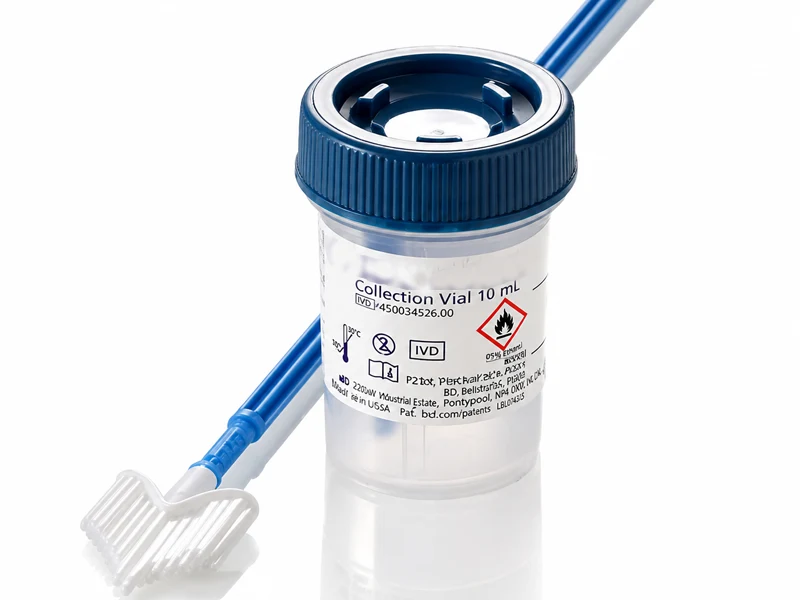
The DNA Ploidy Analysis System combines with SurePath™ liquid-based cytology to create a dual-modality cervical cancer screening solution — one preparation, two tests. Automated quantitative DNA ploidy analysis detects chromosomal abnormalities at the molecular level, identifying occult lesions that conventional cytology may miss, and raising CIN2+ detection sensitivity to 96.9%.
Conventional cytology provides morphological information about cell appearance, but cannot directly quantify DNA content at the molecular level. DNA ploidy analysis bridges this gap by automatically measuring the DNA index of every cell on the slide, objectively identifying aneuploid cells — cells with abnormal chromosome content that are strongly associated with pre-cancerous and cancerous transformation.
Because DNA ploidy testing uses the same SurePath™ slide without any additional sample preparation steps or patient recalls, it integrates seamlessly into existing screening workflows with minimal added complexity or cost per test.
| CIN2+ Sensitivity (Combined) | 96.9% |
|---|---|
| Specificity (Combined) | 91.22% |
| SurePath™ LBC Alone — CIN2+ Sensitivity | 98.2% |
| SurePath™ Unsatisfactory Rate | 0.3% |
| HSIL+ Detection vs Conventional Pap | +64.4% (FDA clinical evidence) |
| LSIL Detection vs Conventional Pap | +107% (FDA clinical evidence) |
| Sample Compatibility | SurePath™ preservative fluid (2–10 °C up to 6 months; 15–30 °C up to 4 weeks) |
| Analysis Method | Automated quantitative DNA content measurement (DNA index per cell) |
| Additional Sample Required | No — uses same SurePath™ slide |
| Additional Workflow Steps | None — no protocol change to existing LBC workflow |
| Key Application | Cervical cancer screening · Triage of cytological abnormalities · Post-treatment monitoring |
† The CIN2+ sensitivity figures are derived from different clinical study cohorts: 98.2% reflects SurePath™ LBC performance in the FDA PMA clinical dataset; 96.9% reflects the combined DNA Ploidy + SurePath™ LBC protocol in a separate large-scale validation study. The difference reflects study population variability rather than a reduction in diagnostic performance when adding DNA ploidy analysis. Clinical data sourced from published studies and FDA clinical evidence documentation.
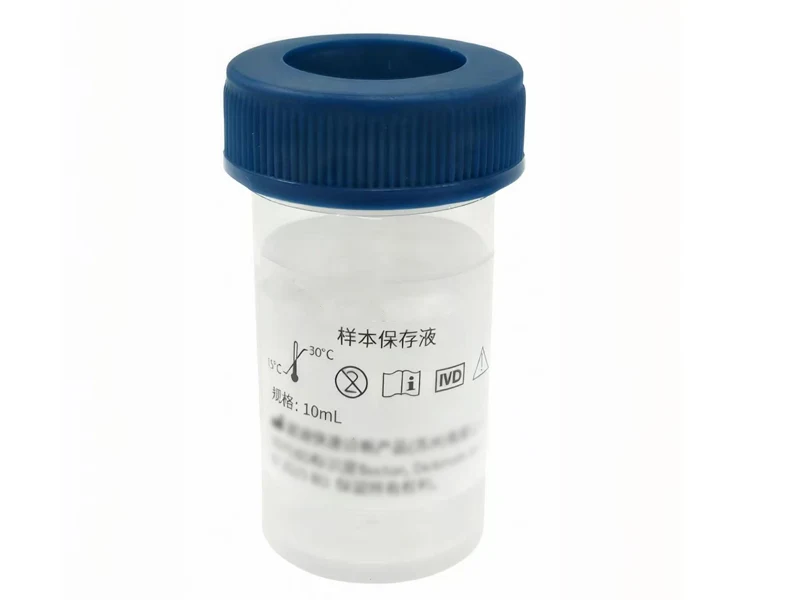 Liquid-Based Cytology
The SurePath™ LBC system uses a proprietary sample collection method and patented centrifugal sedimentation technology — the third-generation cytology testing method. It delivers automated, standardised, high-throughput slide preparation with industry-leading specimen adequacy rates and the highest FDA-certified cancer precursor detection rate compared to conventional Pap smears.
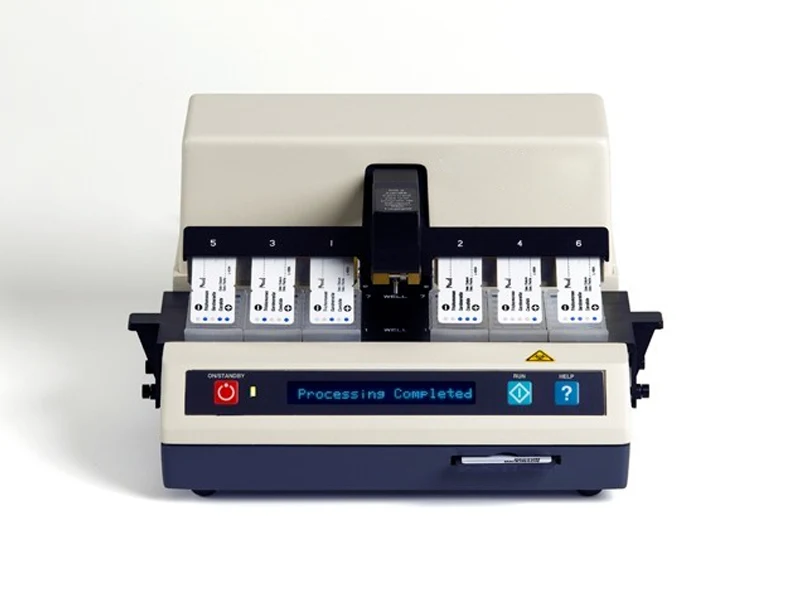 Vaginal Infection Testing
The Affirm™ VPIII is the industry's first fully automated system using DNA probe technology to simultaneously detect the three most common vaginal pathogens — Bacterial Vaginosis (BV), Vulvovaginal Candidiasis (VVC) and Trichomonas Vaginalis (TV) — from a single sample. It has become the standard method for vaginal infection testing recommended by the US Centers for Disease Control and Prevention (CDC).
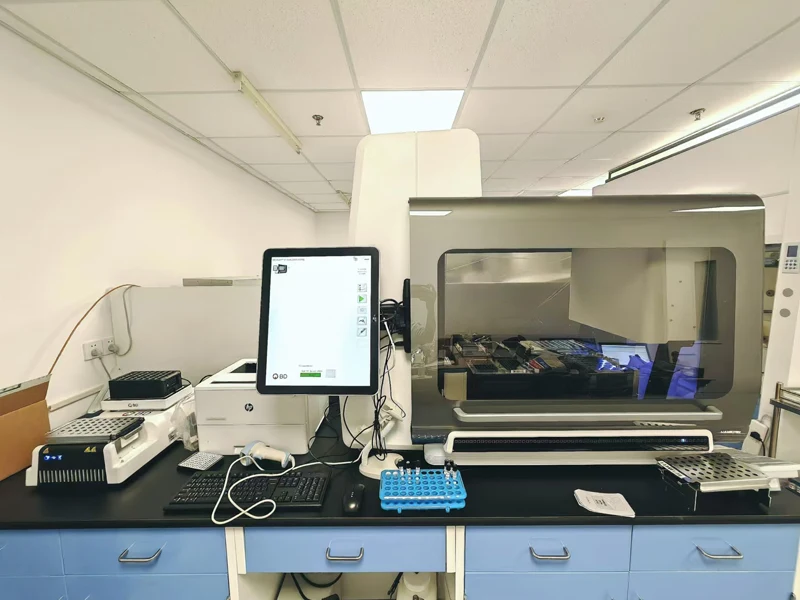 HPV Testing
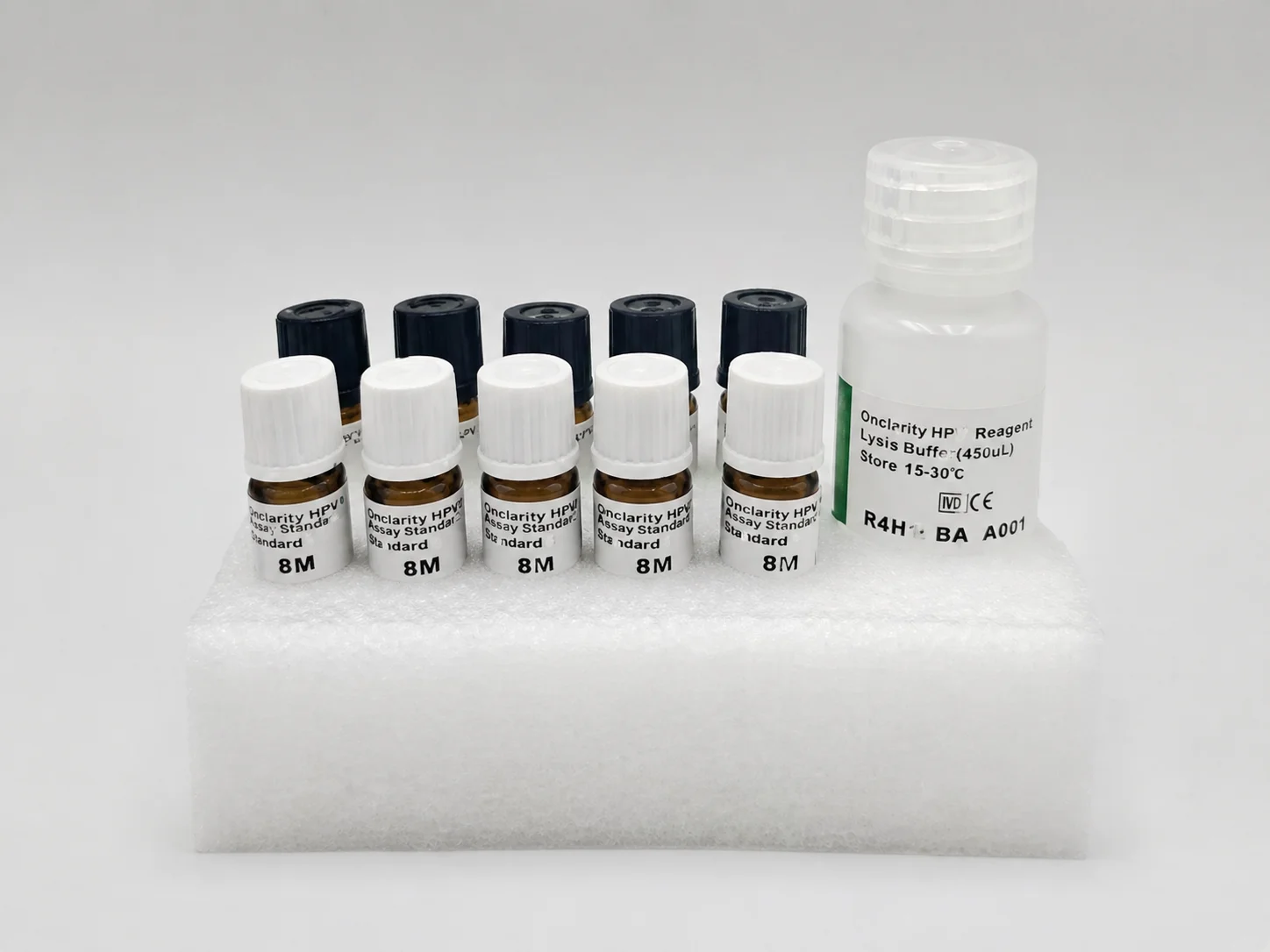
The Viper LT™ is a benchtop molecular platform that automates DNA extraction, RT-PCR amplification, detection and result reporting — minimising manual intervention. Paired with the Onclarity™ HPV Assay, it delivers genotyping results for 14 high-risk HPV types, with individual identification of 6 types, from the same SurePath™ vial used for liquid-based cytology — one sample, two tests.
Hong Kong Origins Investment Limited — Professional cross-border trade solutions for medical devices, specialising in cervical cancer screening, women's health diagnostics and IVD products.
Copyright © 2026 Hong Kong Origins Investment Limited. All rights reserved. Privacy Policy